

When clutter builds up after a move, renovation, estate cleanout, or major seasonal purge, the least expensive option is not always the one that appears cheapest on day one. DIY Junk Removal often feels economical because you provide the labor and transportation, but that choice can come with hidden costs in fuel, disposal fees, equipment, time, and physical effort. For many homeowners, landlords, and contractors, renting a dumpster turns out to be the more efficient and more cost-effective solution once the full picture is considered.
What Cost-Effectiveness Really Means in Junk Removal
Most people compare options by looking at the obvious bill: the price of a dumpster rental versus the cost of loading a truck and driving to the dump themselves. That is a useful starting point, but it is not a complete financial comparison. True cost-effectiveness includes every resource the project consumes.
With DIY hauling, the visible expense may be low if you already own a pickup or trailer. Even so, each trip to a landfill or transfer station carries direct and indirect costs. You may pay by weight, by item type, or by load size. You also spend time sorting materials, lifting heavy objects, protecting your vehicle, cleaning up spills or dust, and making repeated runs if the debris exceeds what one load can carry.
A dumpster rental centralizes those costs into one predictable arrangement. You receive a container, fill it at your pace, and have it hauled away when the work is finished. That predictability matters. It helps households avoid project creep and gives property owners a cleaner, safer work area during the cleanout. For jobs involving mixed debris, bulky items, or more than one day of work, predictability can be more valuable than chasing the lowest apparent upfront number.
Dumpster Rental vs. DIY Junk Removal: A Practical Comparison
The best choice depends on volume, weight, timeline, and the type of debris involved. A side-by-side comparison makes the tradeoffs clearer.
| Factor | Renting a Dumpster | DIY Junk Removal |
|---|---|---|
| Upfront pricing | Usually a single packaged cost for delivery, pickup, and disposal allowance | May seem lower initially, but costs are spread across fuel, dump fees, and supplies |
| Time required | Low once delivered; debris can be loaded over several days | High, especially if multiple trips are required |
| Labor intensity | Moderate; debris is loaded once into the container | Higher; items may be handled multiple times between house, vehicle, and dump |
| Vehicle wear | None to the customer's vehicle | Potential wear from heavy loads, dirt, scratches, and suspension strain |
| Convenience | High for renovations, cleanouts, and ongoing projects | Better only for very small volumes |
| Project control | Strong; container stays on-site until the job is done | Less flexible if dump hours or hauling capacity are limited |
There is also a practical middle ground to recognize. Some projects are too large for self-hauling but too time-sensitive to handle through repeated sorting and curbside disposal. In those cases, a local provider can help streamline the process. For homeowners comparing options, services related to Junk Removal and dumpster rental often make more sense once convenience and labor are factored in.
When Renting a Dumpster Is Usually More Cost-Effective
Dumpster rental tends to offer stronger value when the debris volume is substantial or the project lasts longer than a single afternoon. Home renovations are a common example. Flooring, drywall, cabinets, shingles, yard waste, and packaging materials pile up quickly, and they rarely fit neatly into one vehicle load. The same is true for attic cleanouts, garage purges, foreclosure cleanups, and downsizing projects.
In these situations, cost-effectiveness comes from consolidation. Instead of managing disposal in phases, you manage it once. You load debris as you work, keep the site cleaner, and avoid the stop-and-start rhythm of hauling items off-site every time the pile grows too large.
- Large-volume debris: Multiple DIY dump trips can exceed the value of a single container.
- Heavy materials: Concrete, wood, roofing, and old fixtures are hard on vehicles and physically demanding to move more than once.
- Multi-day projects: A dumpster supports steady progress without interrupting work.
- Limited labor: If your time is valuable or your help is limited, convenience has real financial weight.
- Property appearance and safety: Containing waste in one place reduces hazards and keeps the project more organized.
This is where a dependable local company such as Junk Bus can fit naturally into the decision. A dedicated dumpster rental service is especially useful when you want clear logistics, manageable timelines, and less strain on your own vehicle and schedule.
When DIY Junk Removal Still Makes Sense
DIY hauling is not the wrong choice. In fact, it can be the smarter one for certain projects. If you are clearing a single room, disposing of a few lightweight items, or getting rid of materials that fit into one vehicle trip, self-hauling may be perfectly reasonable. The same applies if you already have access to a truck, live close to a disposal facility, and have the time and physical ability to do the work safely.
DIY can also make sense when the debris needs careful sorting. Some loads involve donations, electronics recycling, scrap metal separation, and hazardous materials that cannot go into a general dumpster. If the job is small and requires a highly selective disposal approach, hands-on sorting may offer more control.
Still, it is important to be realistic about what starts as a small project. Many cleanouts expand once closets are opened, storage bins are emptied, or demolition begins. A plan that seemed manageable can quickly turn into an exhausting sequence of loading, driving, unloading, and repeating.
How to Choose the Most Cost-Effective Option
The simplest way to decide is to estimate total effort, not just total dollars. Ask yourself how much debris you have, how heavy it is, how many trips it would take, and how much your time is worth over the course of the project.
- Estimate volume honestly. If the pile will not fit in one or two safe loads, a dumpster deserves serious consideration.
- Check disposal rules. Landfills and transfer stations may have restrictions, operating hours, and separate charges for certain items.
- Account for hidden costs. Fuel, protective coverings, gloves, trailer rental, and vehicle cleanup all matter.
- Consider timeline pressure. If the project must move quickly, fewer interruptions usually means better value.
- Think about physical strain. Lifting furniture, broken materials, or construction debris repeatedly can create unnecessary risk.
A good rule of thumb is simple: the larger, heavier, messier, or longer the job, the more likely dumpster rental will be the cost-effective option. The smaller and more controlled the job, the more viable DIY becomes.
In the end, the best decision is the one that balances budget, effort, and practicality. Junk Removal is not just about getting rid of unwanted material; it is about choosing a method that protects your time, property, and energy. For small, simple cleanups, DIY may be enough. For bigger cleanouts and renovation debris, renting a dumpster often delivers better overall value because it reduces labor, limits delays, and keeps the project moving in an organized way. That is why many property owners find that a straightforward dumpster rental is not an extra expense at all, but the more economical choice.
Find out more at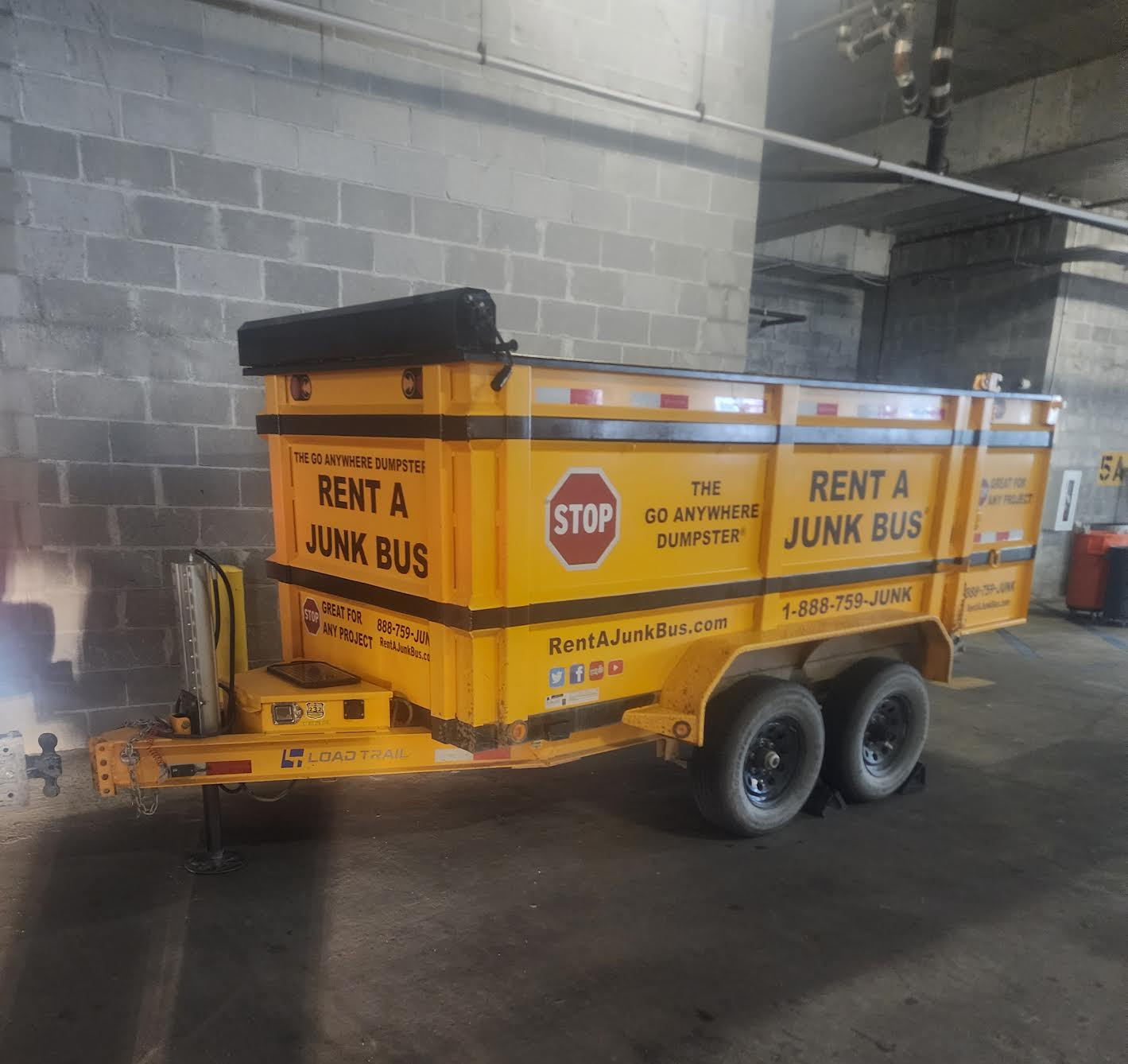
Junk Bus Dumpster Rental & Junk Removal Service
https://www.rentajunkbus.com/
Chatham – England, United Kingdom
Junk Bus offers the best dumpster rental service & junk removal specializing in dumpster rental on wheels, storm cleanup, junk hauling & more. Call now


